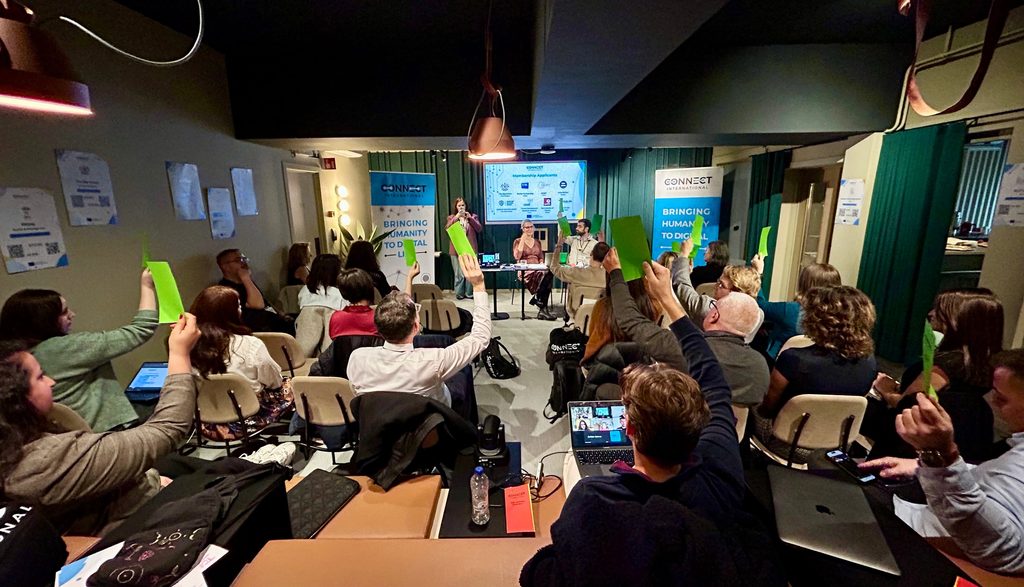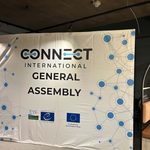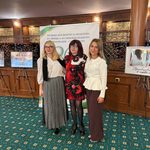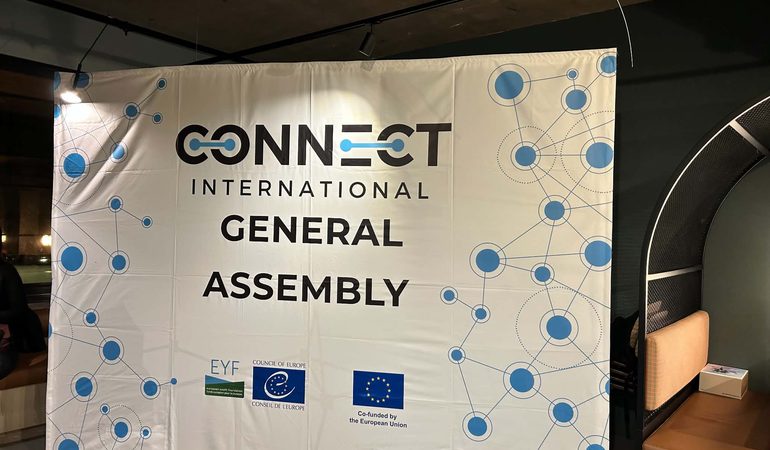
The annual General Assembly of the CONNECT network took place in Brussels, bringing together representatives of member organisations and partners to discuss achievements, the network’s future development, and prospects for European youth programmes.
During the meeting, the annual reports were presented and reviewed, new organisations joining the network were welcomed, and participants had the opportunity to exchange experiences, ideas and good practices.
Special attention was given to the strategic directions for CONNECT’s development in 2027.
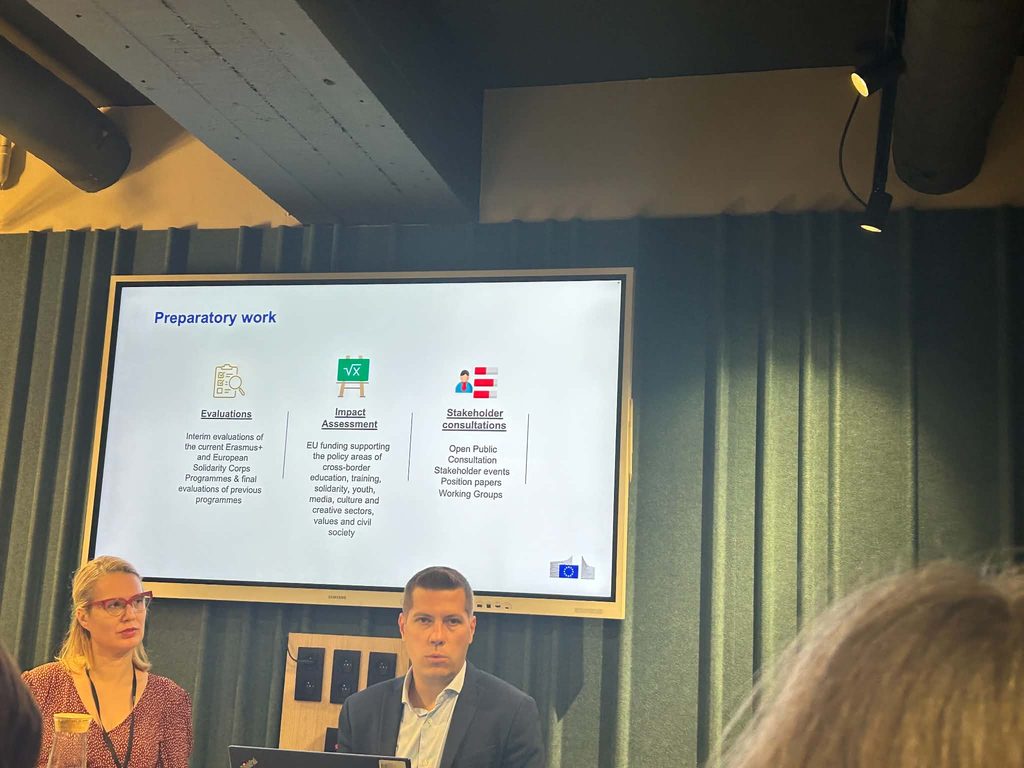
One of the highlights of the programme was a hybrid interactive session dedicated to the future of the European Union’s youth programme.
The session brought together participants both in person in Brussels and online. The keynote speaker was Yasen Spasov, Programme Manager at the European Commission’s Directorate-General for Education, Youth, Sport and Culture (DG EAC), Unit B4 – Erasmus+ for All.
Entitled “Mind the Gap: How Do We Transition to the Next Generation of the Youth Programme?”, the session explored questions surrounding the upcoming development of the Erasmus+ programme and its implications for youth organisations, youth workers and projects implemented across Europe.
The discussion provided participants with an opportunity to address their questions directly to the European Commission representative and engage in an active exchange of views.
The meeting opened with an informal networking event, bringing together members and partners of the network in an atmosphere of conversation, new ideas and opportunities for future cooperation. The NARU representative facilitated one of the partnership-building working groups.
As part of the event, CONNECT International also presented its traditional annual awards.
The Most Engaged Member 2026 award was presented to ECE Brussels in recognition of its active involvement in the network’s activities.
The Best Practice Project Award went to Eco Logic from North Macedonia for its project EcoSTEAM4Basics. The initiative promotes inclusive learning through STEAM approaches and outdoor activities in early childhood and primary education.