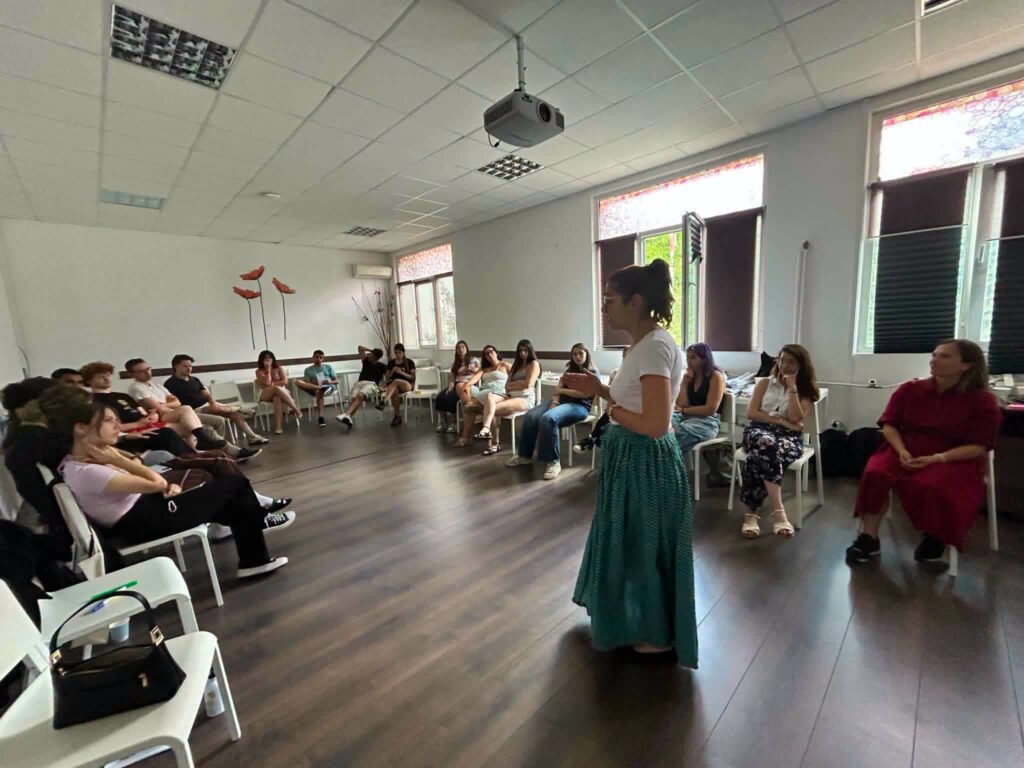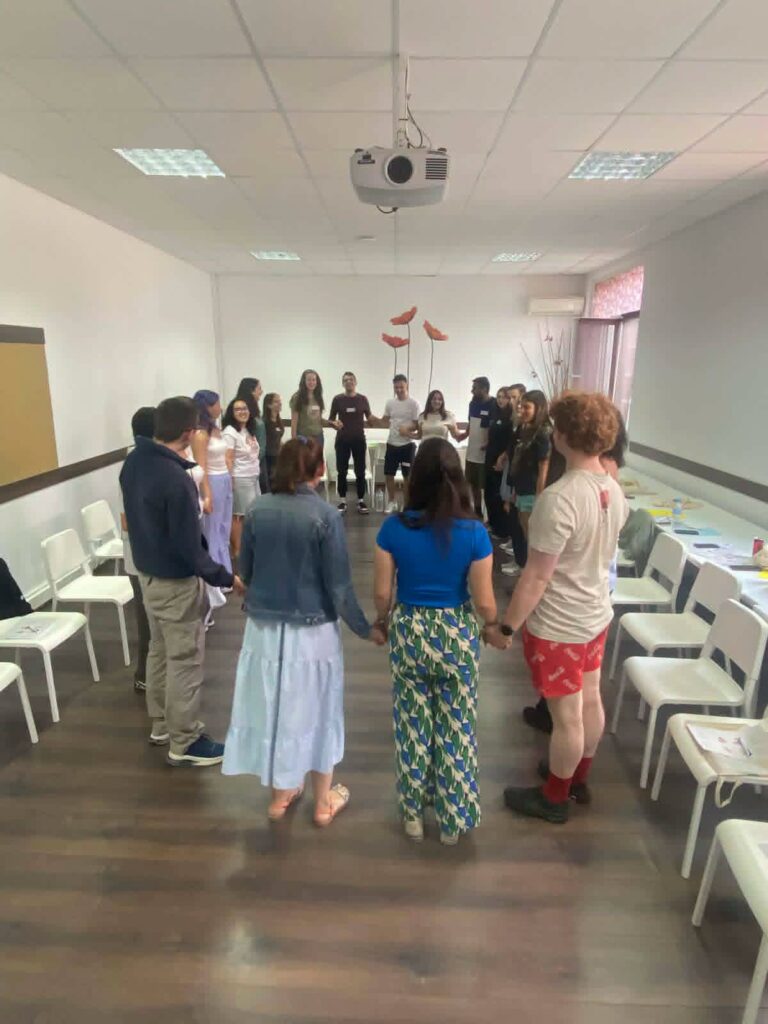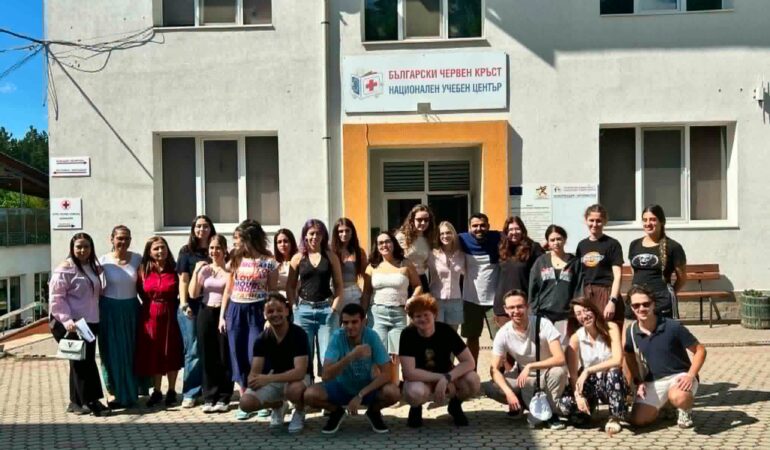
The National Association of Resource Teachers (NART) organized and youth exchange “Pathways to Independent Life”in Lozen, Bulgaria. The initiative was funded by the European Union. Over the course of five days, young people and facilitators from different European countries worked together on topics related to personal development, independent living, career planning, employability and intercultural dialogue.
The programme began with activities focused on self-awareness, team building and personal goal setting. Participants explored their strengths, interests and aspirations, while reflecting on different perspectives of success and personal achievement across cultures. Through interactive exercises and group discussions, they established a supportive and collaborative learning environment from the very beginning of the exchange.
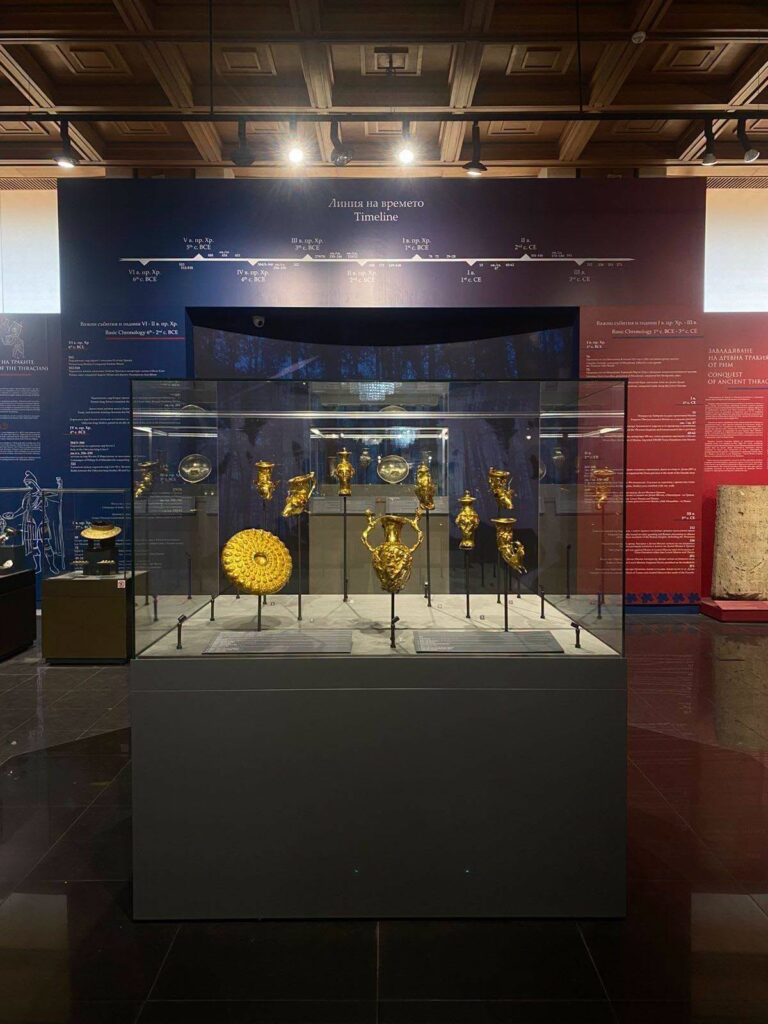
During the mobility, participants also had the opportunity to discover Bulgarian history and culture through a visit to the National Museum of History in Sofia. They explored topics related to future professions, labour market trends and the skills required for successful professional development in a rapidly changing world.
A significant part of the programme was dedicated to communication, personal growth and intercultural understanding. Participants learned about the DISC personality model, discussed the meaning of independence and the challenges faced by young people today, and developed their teamwork and non-verbal communication skills through a variety of practical activities. The Intercultural Evening offered a valuable opportunity for each country to present its traditions, history and customs, promoting mutual respect, understanding and cultural exchange.
The final stage of the programme focused on career guidance and preparation for the labour market. Through personal branding activities, simulated job interviews and practical workshops, participants strengthened their confidence, communication skills and ability to adapt to different professional situations. They also explored labour rights and responsibilities, compared working conditions across countries and discussed the importance of a successful transition into employment.
The youth exchange concluded with a certificate ceremony, new friendships and valuable international connections. Participants left the project with enhanced knowledge, practical competences and increased confidence in their abilities. The exchange successfully supported young people in developing key life and employability skills, fostering intercultural dialogue and encouraging active participation in society and independent living.
Funded by the European Union. Views and opinions expressed are however those of the author(s) only and do not necessarily reflect those of the European Union or the Human Resources Development Center – Bulgaria HRDC. Neither the European Union nor HRDC can be held responsible for them.